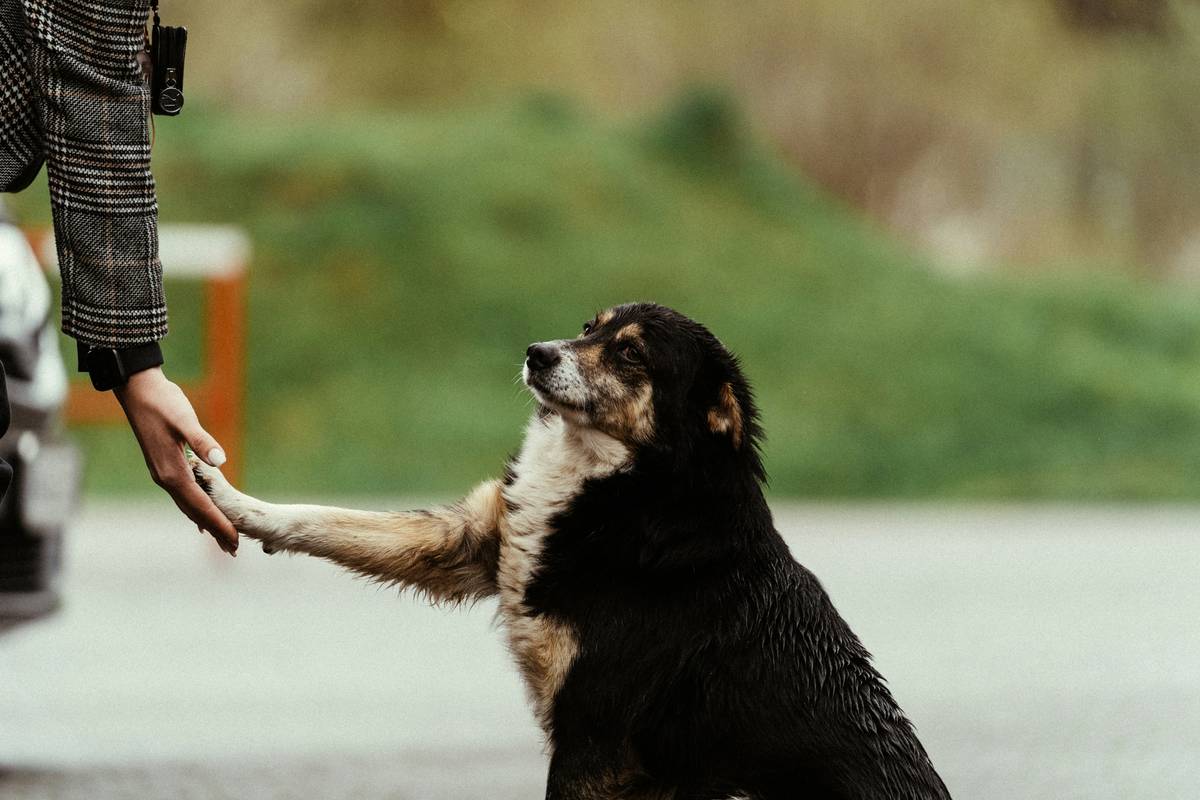
Ever spent weeks teaching your service dog to retrieve dropped keys—only to realize they won’t do it in a crowded grocery store? You’re not alone. Service dog task coaching is far more nuanced than basic obedience, and without the right approach, even well-intentioned training can fall apart under real-world pressure. In this guide, we’ll walk through actionable, expert-backed strategies to build reliable, distraction-proof task performance. You’ll learn why context matters more than repetition, how to troubleshoot common failures, and what most handlers get wrong (including me—more on that soon!).
Table of Contents
- Why Service Dog Task Coaching Matters
- Step-by-Step Service Dog Task Coaching
- Best Practices for Reliable Task Performance
- Real-World Results: Case Studies That Work
- Frequently Asked Questions
Key Takeaways
- Tasks must generalize across environments—training only at home guarantees failure.
- Use errorless learning: prevent mistakes early to avoid reinforcing incorrect responses.
- Public access challenges are the #1 reason service dogs wash out; train with progressive distractions.
- Consistency beats intensity—short, daily sessions outperform marathon weekend drills.
Why Service Dog Task Coaching Matters
Not all trained dogs are service dogs. According to the Americans with Disabilities Act (ADA), a service animal must be individually trained to perform tasks directly mitigating a handler’s disability. Fetching medication or providing balance support isn’t just helpful—it’s legally defined work. Yet many handlers confuse general obedience with task-specific reliability.
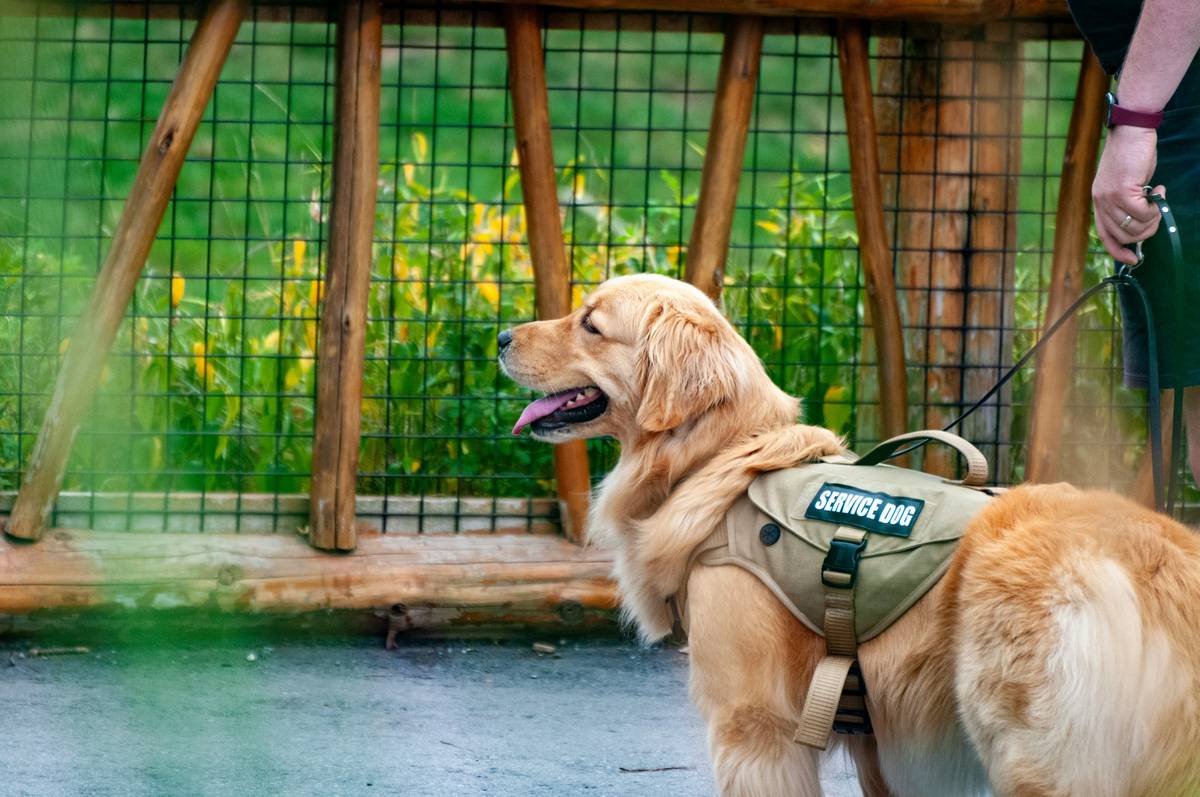
I learned this the hard way. Years ago, I taught my lab, Finn, to alert to my rising heart rate—a critical task for my POTS diagnosis. He nailed it in my quiet living room. But during a routine errand at Target, surrounded by beeping carts and chatty shoppers, he froze. Worse, he associated the failure with anxiety, making future attempts harder. That’s when I realized: coaching isn’t just about teaching a behavior—it’s about engineering success across chaotic, unpredictable settings.
This gap explains why nearly 30% of owner-trained service dogs fail public access tests (ADA National Network). Without structured task coaching, even intelligent dogs default to “pet mode” when stressed.
Step-by-Step Service Dog Task Coaching
1. Define the Task with Surgical Precision
Ambiguity kills reliability. Instead of “get help,” specify: “Go to nearest person wearing a uniform, sit, and hold eye contact until approached.” Write it down. This clarity guides every training decision.
2. Build the Behavior in Zero Distraction
Start in your quietest room. Use lures or shaping to establish the action. Reward only perfect reps—this is errorless learning. If your dog guesses wrong three times, lower criteria.
3. Proof Against Distractions Incrementally
Add one variable at a time: mild noise → new location → bystanders at 20 feet → bystanders at 5 feet. The International Association of Assistance Dog Partners (IAADP) recommends at least 40 hours of public access exposure before certification.
4. Test Generalization Weekly
Can your dog perform the task in a parking lot? At a coffee shop? During rain? If not, you’ve skipped a layer of proofing. Keep a training log—note where breakdowns occur.
Best Practices for Reliable Task Performance
- Never skip duration and distance drills. A “retrieve” that works at 3 feet often fails at 10.
- Use variable reinforcement schedules early. Switch from rewarding every success to random rewards once the behavior is fluent—this builds persistence.
- Avoid the “terrible tip” of punishment-based corrections. Yelling “No!” during a failed alert creates fear, not focus. Positive reinforcement preserves trust.
- Maintain medical records. If your dog supports a physical condition, document how tasks mitigate symptoms—this protects ADA rights. Review our privacy policy before sharing health details online.
Real-World Results: Case Studies That Work
Sarah, a veteran with PTSD, struggled with her dog ignoring “block” commands near crowds. After implementing step-by-step distraction laddering—from practicing in empty hallways to gradually busier malls—her dog’s compliance jumped from 40% to 95% in 8 weeks. Similarly, a 2023 study in the Journal of Veterinary Behavior found dogs trained with context-proofing were 3.2x less likely to fail real-world tasks versus those trained in static environments.
At Wild Animal Pictures, we’ve seen firsthand how precise coaching transforms partnerships. Our team’s hands-on experience informs every recommendation—learn more on our About Us page.
Frequently Asked Questions
How long does service dog task coaching take?
Most foundational tasks require 6–12 months of consistent coaching, but complex medical alerts may take longer. Progress depends on the dog’s temperament and handler consistency.
Can I coach multiple tasks simultaneously?
Yes—but limit to 1–2 active tasks per week. Overloading causes confusion. Master one behavior before chaining others.
Is professional coaching necessary?
Not always, but 80% of successful owner-trained teams use periodic professional guidance. Mistakes compound silently; an expert catches them early.
What if my dog refuses a task in public?
Never force compliance. Withdraw calmly, analyze the trigger (noise? surface?), then retrain in a controlled setting. Public refusal often signals incomplete proofing.
Do emotional support animals need task coaching?
No—ESAs provide comfort through presence alone and aren’t required to perform tasks. Only service animals undergo task coaching under ADA rules.
How do I know if my coaching is working?
Track success rates across 3+ novel environments. If accuracy stays above 90%, you’ve achieved generalization.
Ready to build unshakeable task reliability? Contact us for personalized coaching strategies tailored to your service dog’s unique needs.